Why Professional Water Damage Restoration Matters: Safeguard Your Investment
Water damage poses significant risks that can diminish property value and safety. The structural integrity of a building may be weakened, and the development of mold can pose serious health risks. Skilled restoration professionals serve a vital function in addressing these issues effectively. These professionals utilize advanced methods and tools to safeguard both the property and its occupants. Grasping the complexities of this procedure is essential for every homeowner and property manager. What steps should one take to guarantee proper restoration?
The Hazards of Overlooking Water Damage
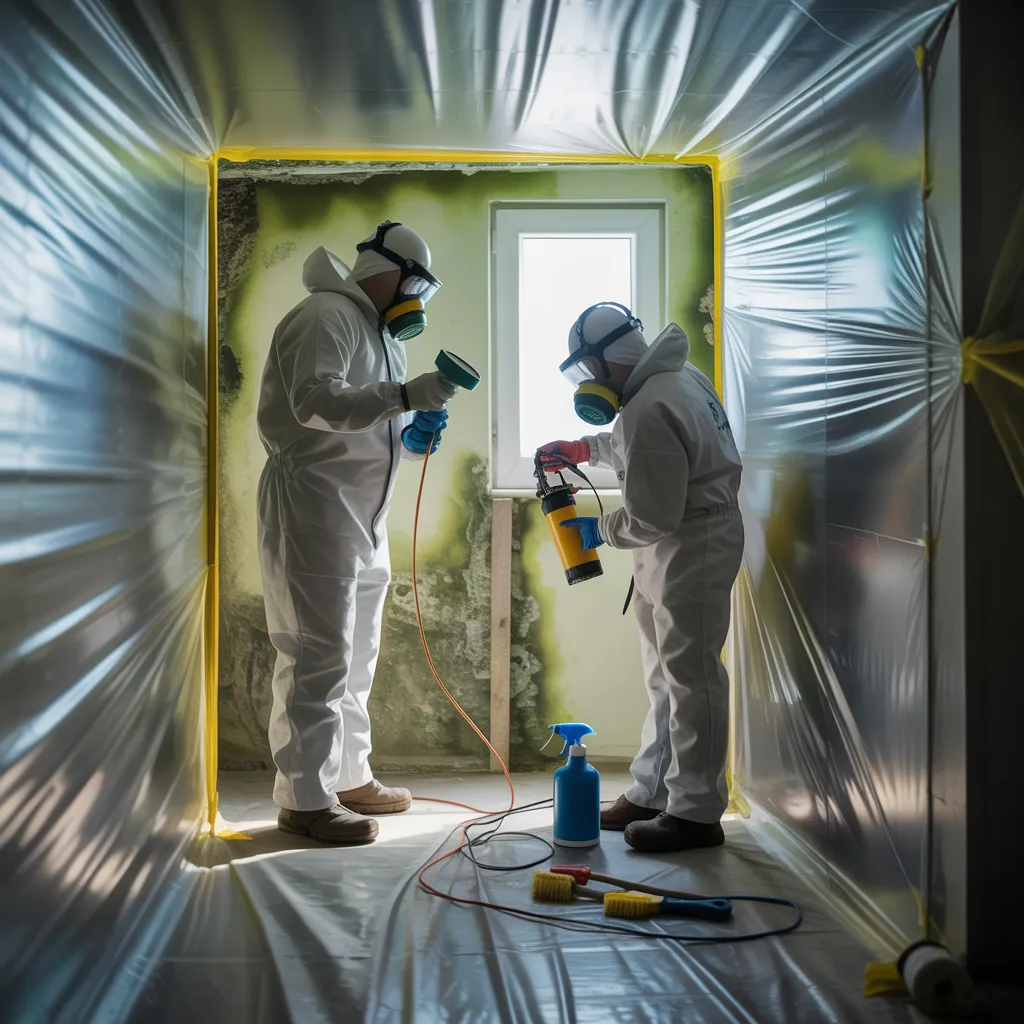
Disregarding water damage can cause significant problems, as the damage tends to escalate over time. Overlooked leaks or moisture can result in structural issues, weakening the structure of walls, ceilings, and foundations. Mold development poses another serious concern; it spreads in wet surroundings and can create dangerous health threats, such as breathing difficulties and allergic responses. Furthermore, corresponding information water damage can reduce property worth, making it less attractive to potential buyers or renters. The more time the damage goes untreated, the more expensive the restoration becomes, leading to potential financial strain for property owners. Electrical risks can also develop, elevating the likelihood of fires caused by short circuits. At last, disregarding water damage not only compromises the structural integrity but also imperils the health of those living within and the financial commitment tied to the property. Recognizing these risks is essential for prompt action and effective management of water-related issues.
Why Water Damage Restoration Matters for Safeguarding Your Property
Water damage restoration plays an essential role in preserving properties against ongoing deterioration. When water infiltrates a building, it can result in structural deterioration, mold formation, and a decrease in property value. Timely restoration helps mitigate these risks by extracting surplus moisture and handling any damage without delay.
Failing to address the issue can result in costly repairs and significant expenses. Additionally, the presence of water can damage electrical components and endanger the health of those within the property. Expert restoration teams utilize advanced tools and methods to ensure complete drying and sanitization, which are essential for maintaining a safe environment.
Moreover, effective restoration can preserve the integrity of the property, defending the owner's property investment. Through prioritizing water damage restoration, property owners not only strengthen the longevity of their structures but also support the overall safety and comfort of their living environments.
How Experts Evaluate and Handle Water Damage
After acknowledging the importance of timely restoration of water damage, gaining insight into how professionals evaluate and handle the situation is crucial. At the outset, certified experts undertake a meticulous evaluation to identify the extent of the damage. They make use of moisture meters and thermal imaging to locate hidden water accumulations within walls and floors, guaranteeing that no affected area is missed.
After the evaluation is finished, experts identify the water damage by its type: clean, gray, or black water. This classification informs the appropriate remediation methods. After this step, they develop a tailored restoration plan, outlining steps for water extraction, drying, and disinfecting impacted spaces.
Throughout this process, experts place safety as a top priority, donning appropriate protective equipment and ensuring proper ventilation. By employing specialized techniques and complying with professional industry standards, they successfully prevent additional damage and mold proliferation, safeguarding the property and its occupants. As a result, a structured approach is essential for successful water damage restoration.
Why Specialized Equipment Is Essential in Restoration
Using state-of-the-art equipment is crucial in the water damage remediation process, as it improves the efficiency and effectiveness of restoration efforts. Professional-grade dehumidifiers and pumps enable quick moisture removal and water extraction, lowering the risk of secondary damage. Thermal imaging cameras enable professionals to identify concealed moisture, guaranteeing a detailed assessment and remediation. These technologies also support accurate tracking of temperature and humidity levels, essential for optimal drying conditions.
In addition, specialized cleaning agents and antimicrobial treatments, administered via state-of-the-art applicators, guarantee comprehensive sanitization of damaged regions. The use of such equipment not only hastens the remediation schedule but also limits the likelihood of property damage and safety concerns. Adopting advanced restoration technology allows experienced specialists to produce outstanding results, safeguarding properties and ultimately protecting the owner's investment. Therefore, advanced equipment plays a pivotal role in achieving successful water damage remediation and restoration outcomes.
How Acting Quickly Prevents Mold Growth
Taking prompt steps in the wake of water damage is essential in inhibiting mold growth, a frequent result of lengthy contact with moisture. When water infiltrates a structure, it produces an environment favorable to mold spores, which can begin to proliferate within one to two days. The speed at which water is removed and the area dried heavily affects the probability of mold formation.
Expert restoration teams utilize cutting-edge equipment and strategies to expedite this process, making certain that moisture is eliminated rapidly. This prompt action not only reduces the health hazards linked to mold growth but also protects the integrity of the property. Waiting too long permits mold to spread, causing severe damage and costly repair efforts. By prioritizing timely intervention, property owners can safeguard their investments and maintain a safe living environment.
Important Tips for Picking a Restoration Company
How can property owners guarantee they choose the right restoration company? To begin, they should conduct thorough research on potential companies. Verifying certifications, including those from the Institute of Inspection, Cleaning and Restoration Certification (IICRC), demonstrates professional competence. Reviewing online feedback and testimonials can offer valuable information about the company's dependability and quality of service.
Additionally, homeowners should gather comprehensive estimates from several contractors. This enables comparison of timelines, services, and costs, ensuring transparency. Additionally, it's essential to verify that the contractor has adequate insurance, protecting both the property owner and the workers involved.
In addition, evaluating the contractor's turnaround time is critical; rapid response can avoid further harm. As a final point, a credible company should offer a transparent guarantee on their completed projects, demonstrating faith in their work quality. By following these guidelines, building owners can make well-informed decisions and protect their investments successfully.
Protecting Your Possessions With Expert Assistance
Upon choosing a qualified restoration company, building owners face the important task of preserving their possessions from moisture damage. Skilled restoration professionals utilize specialized tools and methods to rapidly evaluate the scope of damage. They employ specialized moisture removal equipment to extract surplus moisture, preventing further harm to personal possessions.
Restoration experts understand the varying materials of a wide range of belongings, from textiles to electronics, and utilize tailored methods for each category. As an illustration, critical documents may be freeze-dried, while furniture may be subjected to intensive cleaning or restoration treatments.
Additionally, professionals can uncover hidden moisture that could contribute to the growth of mold, guaranteeing complete protection for valuable assets. By trusting qualified restorers, building owners can increase the likelihood of salvaging irreplaceable items, maintaining not only their monetary value but also their sentimental significance. Ultimately, expert assistance plays a vital role in mitigating losses and restoring peace of mind.
Common Questions and Answers
What Are the Best Ways to Prevent Water Damage in My Home?
To avoid water damage in a residence, regular maintenance of plumbing systems, adequate sealing of windows and doors, the installation of sump pumps, and timely attention to leaks can markedly reduce the risk of water-related issues.
What Are the Common Indicators of Concealed Water Damage?
Typical indicators of concealed water damage consist of mysterious mold development, water marks on walls or ceilings, bubbling paint, buckled flooring, and damp odors. Timely discovery is vital to stopping further structural harm and significant repair costs.
Will My Insurance Plan Cover the Costs of Water Damage Restoration?
Water damage restoration insurance coverage varies depending on the policy. Generally, a standard homeowners insurance policy covers sudden and accidental damage, however exclusions may apply in cases of neglect or gradual damage. It is essential to review the policy details for a clear understanding.
How Long Does the Restoration Process Typically Take?
The remediation process typically takes from a few days up to several weeks, determined by the extent of the water damage, the size of the affected area, along with the efficiency of the restoration team's response.
Is It Possible to Stay in My House During Restoration Work?
Living in a home throughout the restoration process is usually not suggested. Dangers including mold, dust, and machinery noise may present serious risks. Homeowners should consider temporary relocation for safety and comfort during the restoration process.